Endometriosis & fertility: Navigating the challenges and finding solutions with Dr. Pallab Roy
.jpg)
Endometriosis is a common gynaecological condition that affects around 10–15% of women of reproductive age. It occurs when tissue similar to the uterine lining grows outside the uterus, often affecting the ovaries, fallopian tubes, and pelvic lining.
While it can cause pelvic pain, irregular periods, and discomfort, one of its most serious impacts is on fertility. Many women first discover they have endometriosis while trying to conceive.
Understanding how it affects fertility and exploring treatment options is crucial. Let’s break it down with insights from Dr. Pallab Roy, a trusted expert in female infertility treatment.
How Does Endometriosis Prevent Fertility?
Endometriosis can interfere with fertility in multiple ways. The abnormal tissue growth can cause inflammation and scar tissue (adhesions) that may block the fallopian tubes or affect the ovaries.
This can prevent the egg and sperm from meeting naturally. In some cases, endometriosis also affects egg quality and disrupts the hormonal environment required for ovulation and implantation.
Even in mild cases, the altered pelvic environment can make conception more difficult. Early diagnosis and proper treatment are key to improving fertility outcomes in women with endometriosis.
Can You Have a Baby with Endometriosis?
Yes, many women with endometriosis do go on to have healthy pregnancies. However, the chances of conceiving can depend on the severity of the condition, age, and whether other fertility issues are present.
Mild to moderate cases may not significantly hinder conception, especially with lifestyle changes or minimal treatment. In more advanced cases, fertility treatments like ovulation induction, IUI, or IVF may be recommended. Consulting a fertility specialist can help assess the extent of the condition and plan the best approach for conception.
Can You Conceive Naturally with Endometriosis?
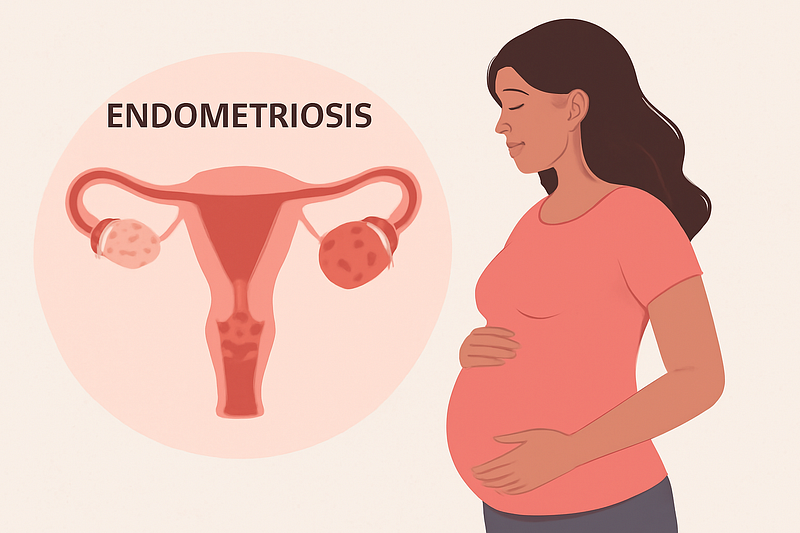
Natural conception is possible with endometriosis, especially if the disease is in its early stages. Many women with mild endometriosis get pregnant without medical intervention.
However, if symptoms such as severe pelvic pain or irregular periods persist, they may signal more extensive involvement, making conception harder.
Early support can increase the chances of natural conception or help plan timely treatments.
Is Endometriosis a High-Risk Pregnancy?
While many women with endometriosis have normal pregnancies, some may face higher risks. These can include preterm labour, placenta issues, or a higher chances of C-section.
Pain during pregnancy might also persist, particularly if endometrial tissue affects nearby organs. That said, careful monitoring and the right care plan can reduce risks significantly.
With guidance from an experienced obstetrician, most women with endometriosis can safely carry and deliver a healthy baby.
What is the Treatment for Endometriosis?
Treatment for endometriosis varies based on symptoms and fertility goals. Pain relief often begins with medication or hormonal therapy to control the menstrual cycle.
For women trying to conceive, surgical options like laparoscopy may help remove endometrial tissue and improve fertility.
It’s essential to personalise the treatment plan. Dr. Pallab Roy, renowned for his expertise in female infertility, provides comprehensive care tailored to each patient’s specific condition and reproductive goals.
Conclusion
Endometriosis may complicate your journey to motherhood, but it doesn’t make it impossible. With the proper diagnosis, timely treatment, and a supportive specialist, many women successfully conceive and deliver healthy babies. If you suspect endometriosis is affecting your fertility, don’t wait.
Book a consultation with Dr. Pallab Roy, a leading expert in female infertility treatment in Kolkata and take your first step toward a healthy pregnancy.


Comments
Post a Comment