Worried about infertility after miscarriage? Here's what might help - Insights from Dr. Pallab Roy

Pregnancy loss brings not only grief but also fear. Many women worry if a miscarriage means they can never conceive again. This fear is natural, but it is often based on misunderstanding.
The truth is that miscarriage is common. In most cases, it does not prevent future pregnancies. With the right care, many women go on to deliver healthy babies.
This article will walk you through how miscarriage affects fertility. With that, the risk factors to watch for, steps that support recovery, and when to seek specialist help.
Understanding Miscarriage and Fertility
A miscarriage is the loss of a pregnancy before 20 weeks. It happens more often than many realise. Studies show that about one in four pregnancies may end in miscarriage.
This does not mean infertility. Most women who conceive again experience normal pregnancies. In fact, many go on to deliver healthy babies without special treatment.
How Miscarriage Can Affect Fertility?
One miscarriage rarely affects fertility. The uterus heals, and ovulation usually returns within weeks. Women can try again after recovery if advised by their doctor.
Concerns grow when miscarriages happen repeatedly. Recurrent miscarriage means two or more losses in a row. This may signal underlying health conditions that need diagnosis. Identifying the cause is the first step in protecting fertility.
Risk Factors Linked to Infertility After Miscarriage
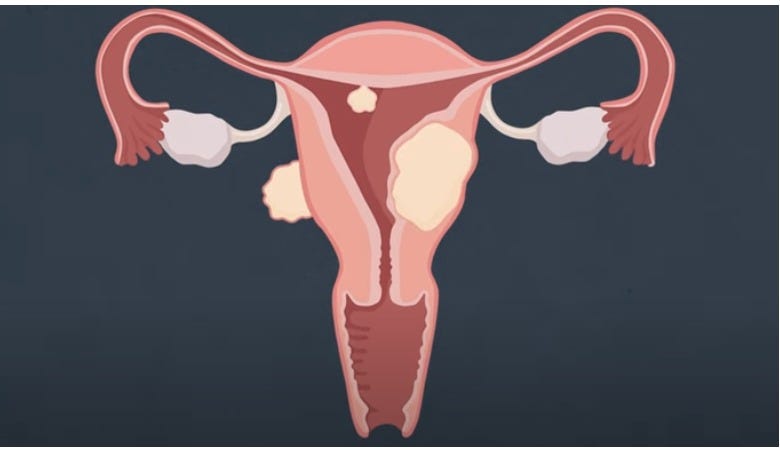
Some factors increase the risk of infertility after miscarriage. These include:
- Age: Women under 20 or over 35 may face higher risks.
- Medical conditions: Hypertension, diabetes, thyroid disorders, and hormonal imbalances can play a role.
- Genetic issues: Chromosomal abnormalities in embryos sometimes cause repeated loss.
- Uterine problems: Fibroids, scarring, or structural issues may affect implantation.
- Lifestyle factors: Smoking, alcohol use, poor nutrition, and high stress reduce fertility.
- History: Previous pregnancy complications may increase risk.
An early medical evaluation from the best gynecologist in Kolkata helps detect these factors.
Steps to Support Fertility After Miscarriage
There are many ways to protect fertility after a pregnancy loss:
- Adopt a healthy lifestyle
Eat balanced meals, exercise with care, quit smoking, and limit alcohol. - Manage stress
Relaxation techniques and counselling improve overall well-being. - Seek timely medical care
If pregnancy does not occur within 6–12 months, a fertility check-up is important. - Explore treatments if needed
Hormonal therapy may restore balance. Surgery can correct certain uterine problems. Assisted reproductive techniques help when natural conception is hard.
Small changes and early interventions can make a big difference.
When to Seek Specialist Help?
If miscarriages repeat or if conception does not occur within a year, help is essential. Fertility specialists and reproductive endocrinologists focus on these challenges.
They use advanced tools such as genetic tests, hormone checks, and imaging scans. These tests help identify the cause.
Personalised care plans guide women through the best options for conception. Specialist care supports physical health. It also reduces anxiety by giving clear answers.
Emotional Wellbeing and Support
The emotional toll of miscarriage is often underestimated. Fear, guilt, and grief can linger, and these feelings can affect fertility too. Caring for mental health is as important as treating physical causes.
Counselling, therapy, and support groups provide safe spaces to heal. Open communication with partners strengthens emotional bonds. A calm mind supports fertility. Having strong support around you also improves pregnancy outcomes.
Hope After Loss
A miscarriage does not define your future. With proper care, many women are able to conceive again and give birth to healthy babies. The journey may take time, but it is filled with hope.
Knowledge, medical guidance, and emotional support together build resilience. Every step you take brings you closer to your goal of motherhood.
Take the Next Step Toward Healing and Fertility
Your story does not end with a miscarriage. Focus on your health, seek expert advice when necessary, and allow yourself time to recover.
Consult Dr. Pallab Roy, a leading gynecologist in Kolkata. Your path to parenthood is still open and full of promise.


Comments
Post a Comment